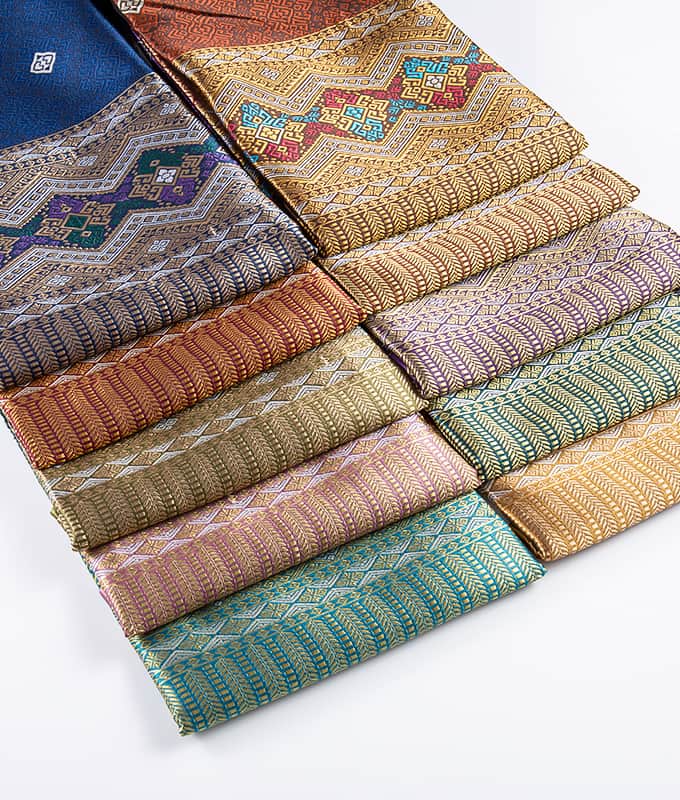
Polyesterstoffet til traditionel sydøstasiatisk Sarong-nederdel bygger bro mellem arv og modernitet. Med rod i kulturelle traditioner genopliver de...
See Details


Sydøstasien National Traditionel Sarong Stof Guide
Industri nyheder-Den " nationalt traditionelt sarongstof ” på tværs af Sydøstasien fellerstås bedst som en familie af wraptekstiler - oftest saronglange klude lavet i signaturteknikker som batik , ikat , og sangket , each tied to specific countries, ceremonies, and weaving communities. Indonesian batik, for example, is formally recognized by UNESCO as intangible cultural heritage (inscribed in 2009). :contentReference[oaicite:0]{index=0}
Hvad tæller som "sarongstof" i Sydøstasien
In Southeast Asia, “sarong” can mean either a tubular garment or a rectangular cloth wrapped and secured at the waist. The fabric is often decorated using batik or ikat methods, or woven as brocade-like luxury cloth (sangket). :contentReference[oaicite:1]{index=1}
Praktiske størrelser, du faktisk vil se i butikkerne
Størrelser varierer efter land og tøjstil, men disse referencer fra den virkelige verden hjælper dig med at købe korrekt:
- Myanmar longyi: ca 2 m lang og 80 cm bred , commonly sewn into a cylinder. :contentReference[oaicite:2]{index=2}
- Cambodjansk sampot chang kben (en indpakket, bukse-lignende drapering): citeret som en rektangulær klud 3 m lang og 1 m bred . :contentReference[oaicite:3]{index=3}
- Sydlige Filippinerne malong: beskrevet som omkring 4 yards lang og ~50 inches høj (often tubular). :contentReference[oaicite:4]{index=4}
De tre hjørnesten "nationale traditionelle sarongstoffer"
Hvis du vil have et selvtillid, kulturelt funderet match til "Sydøstasiens nationale traditionelle sarongstof", er det de tre teknikker, du oftest vil støde på på tværs af lande og formelle beklædningssammenhænge.
| Stof / teknik | hvordan det er lavet | Visuel cue | Bedste use case |
|---|---|---|---|
| Batik | Voksbestandig farvning på klud; dyb motivsymbolik | Sprøde motivkanter; gentagne symbolske mønstre | Dagligt slid til ceremonier; ikonisk i Indonesien |
| Ikat | Modstå farvning på garn før vævning | Bløde "slørede" eller fjerbeklædte mønsterkanter | Holdbare indpakningsklude; kulturarvsvævning i hele regionen |
| Songket | Håndvævet med supplerende skud med metalliske tråde | Glimrende guld/sølv motiver (brokadeeffekt) | Bryllupper, statslige lejligheder, formel påklædning (den malaysiske verden) |
Indonesian batik is internationally recognized by UNESCO for its techniques, symbolism, and cultural role (inscribed in 2009). :contentReference[oaicite:5]{index=5} Ikat is widely described as a Southeast Asian-origin resist-dye method applied to yarns prior to weaving, producing its characteristic softened pattern boundaries. :contentReference[oaicite:6]{index=6} Songket is consistently defined as a handwoven textile with gold or silver threads, historically spread across the Malay world (including Indonesia, Malaysia, Brunei). :contentReference[oaicite:7]{index=7}
Sådan identificerer du autentisk sarong-stof vs. turistprint
Du behøver ikke at være tekstilekspert – brug et par højsignal-tjek, der viser direkte, hvordan disse stoffer er fremstillet.
Batik: kig efter proces-"fingeraftryk", ikke kun motiver
- If a piece is marketed as heritage batik but the pattern looks perfectly uniform on both sides with no dye-depth variation, it may be a surface print rather than a resist-dyed cloth (batik is defined by technique and cultural practice, not just visual style). :contentReference[oaicite:8]{index=8}
- Ask for the technique: sellers who can describe wax-resist steps and motif meaning usually deal in higher-integrity work, consistent with UNESCO’s framing of batik as technique symbolism culture. :contentReference[oaicite:9]{index=9}
Ikat: "sløringen" er en funktion, ikke en fejl
Ikat’s hallmark is that yarns are resist-dyed before weaving, so the pattern alignment naturally creates slightly feathered edges; a perfectly sharp, pixel-like ikat motif can indicate digital printing. :contentReference[oaicite:10]{index=10}
Songket: bekræfte metallisk trådvævning, ikke metallisk blæk
Songket is described as a handwoven fabric where metallic threads are inserted as supplementary weft, producing a true raised shimmer. If the shine disappears when you tilt it and the surface feels flat like ink, treat “sangket” as a marketing label rather than a weaving structure. :contentReference[oaicite:11]{index=11}
Landespecifikke eksempler, der knytter sig til "national traditionel" brug
Sydøstasien er forskelligartet, men nogle parringer er særligt stabile, hvis du vil have eksempler på "nationalt traditionelt sarongstof" til rejser, gaver eller kulturelt slid.
- Indonesien: Batik is a nationally emblematic textile tradition recognized by UNESCO (2009). :contentReference[oaicite:12]{index=12}
- Myanmar: Longyi (en sarong-lignende wrap) er meget slidt; almindelig referencestørrelse er ~2 m × 80 cm . :contentReference[oaicite:13]{index=13}
- Malayisk verden (Malaysia / Brunei / dele af Indonesien): Songket is a signature ceremonial fabric woven with gold or silver threads. :contentReference[oaicite:14]{index=14}
- Cambodja: Traditionelle draperede stofsystemer omfatter sampotformer; et dokumenteret eksempel er en rektangulær klud ~3 m lang og 1 m bred for sampot chang kben. :contentReference[oaicite:15]{index=15}
- Sydlige Filippiner: Malong er en rørformet beklædningsgenstand; en referencestørrelse er ~4 yards lang og ~50 inches høj . :contentReference[oaicite:16]{index=16}
Købstjekliste: Vælg det rigtige stof til varme, ceremoni og budget
Brug dette som et praktisk beslutningsværktøj, når du handler på markeder eller online annoncer.
Hvis du har brug for en hverdagssarong
- Vælg åndbar bomuld eller bomuldsblanding; prioriter behagelig bredde/længde tæt på regionale normer (f.eks. longyi-referencer omkring 2 m × 80 cm ). :contentReference[oaicite:17]{index=17}
- For ikat, accept minor pattern “softness” as normal for yarn-resist weaving. :contentReference[oaicite:18]{index=18}
Hvis du har brug for et ceremonielt / formelt tekstil
- Vælg sangket when you want visible prestige—its defining feature is supplementary weft metallic threads (gold/silver). :contentReference[oaicite:19]{index=19}
- Vælg culturally grounded batik when motif meaning matters; UNESCO specifically frames batik as technique symbolism embedded in life events. :contentReference[oaicite:20]{index=20}
Hurtige kvalitetsspørgsmål at stille en sælger
- Is it wax-resist dyed (batik), yarn-resist woven (ikat), or metallic-thread woven (songket)? :contentReference[oaicite:21]{index=21}
- Hvad er den nøjagtige størrelse i cm eller meter (stol ikke på "one size")? Brug referencer som f.eks ~2 m × 80 cm for longyi-type wraps. :contentReference[oaicite:22]{index=22}
- What fiber is it (cotton vs silk)? Songket is commonly described as silk or cotton with metallic threads. :contentReference[oaicite:23]{index=23}
Pleje og opbevaring: Hold traditionelt sarong-stof bærbart i årevis
Traditional sarong fabric longevity depends on matching care to construction—especially for dyed surfaces (batik), yarn-dyed weaves (ikat), and metallic-thread structures (songket). :contentReference[oaicite:24]{index=24}
- For batik: avoid harsh detergents and prolonged direct sun; batik is defined by hand-applied resist and dyed cloth culture, so treat it as a dyed textile, not a “printed towel.” :contentReference[oaicite:25]{index=25}
- For ikat: hand-washing reduces abrasion on yarn-dyed patterning created before weaving. :contentReference[oaicite:26]{index=26}
- For songket: store folded with soft tissue or cloth layers to reduce snag risk on metallic threads inserted during weaving. :contentReference[oaicite:27]{index=27}
Nederste linje: det bedste "nationale traditionelle sarongstof" valg
Hvis du har brug for et svar med høj troværdighed: vælg indonesisk batik for den mest anerkendte nationale traditionelle sarongstofreference (UNESCO-indskrevet i 2009), og vælg sangket or ikat when your goal is respectively formal prestige or heritage weaving identity across Southeast Asia. :contentReference[oaicite:28]{index=28}
Relateret produkter
-
-
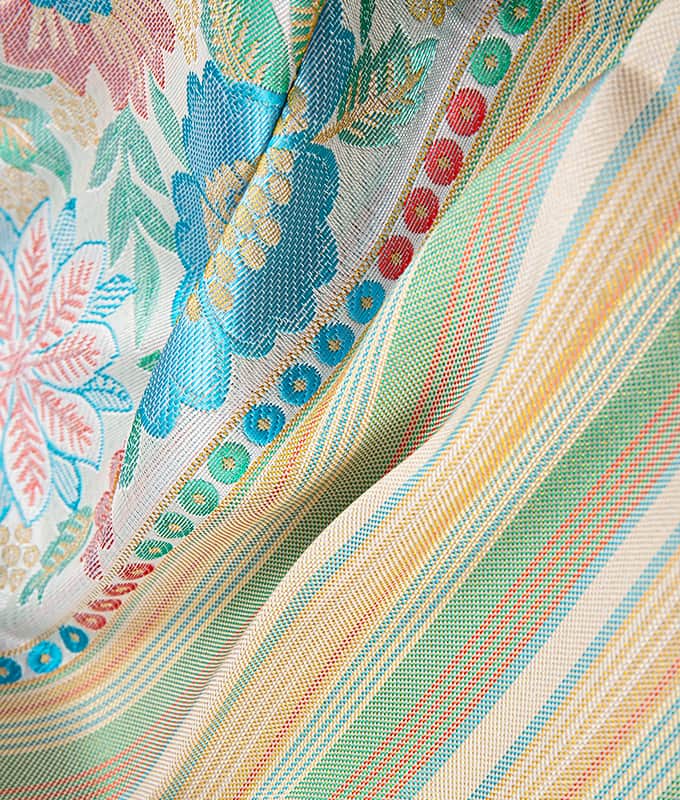
Solsikketryk polybomuldsstof til Sarong — et levende stof inspireret af solsikker, der udstråler energi og lysstyrke. Den er lavet af blødt polybom...
See Details -
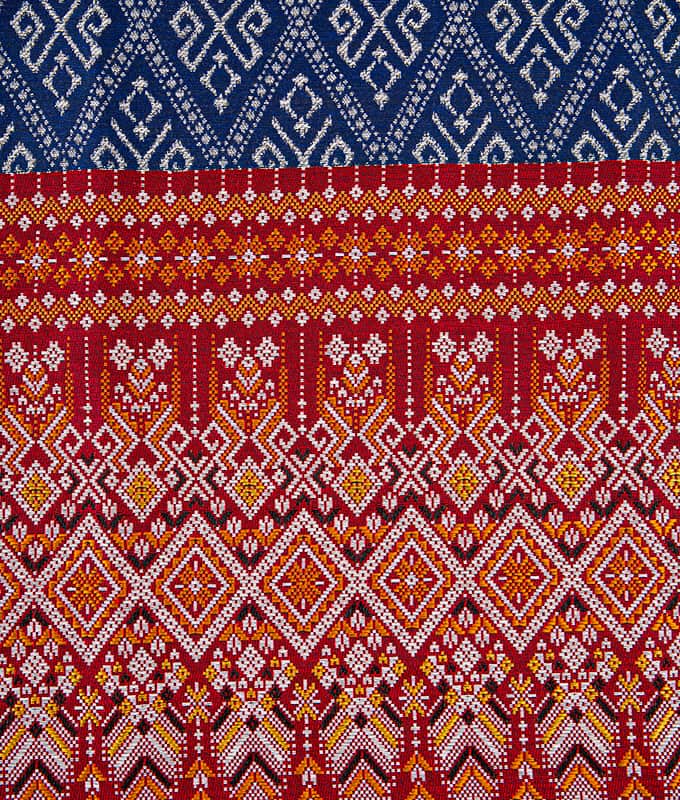
Håndsyet stil poly-bomuldsstof til Sarong - en raffineret blanding af stil og praktisk, udformet til at give tube-nederdele en glat tekstur og en v...
See Details -
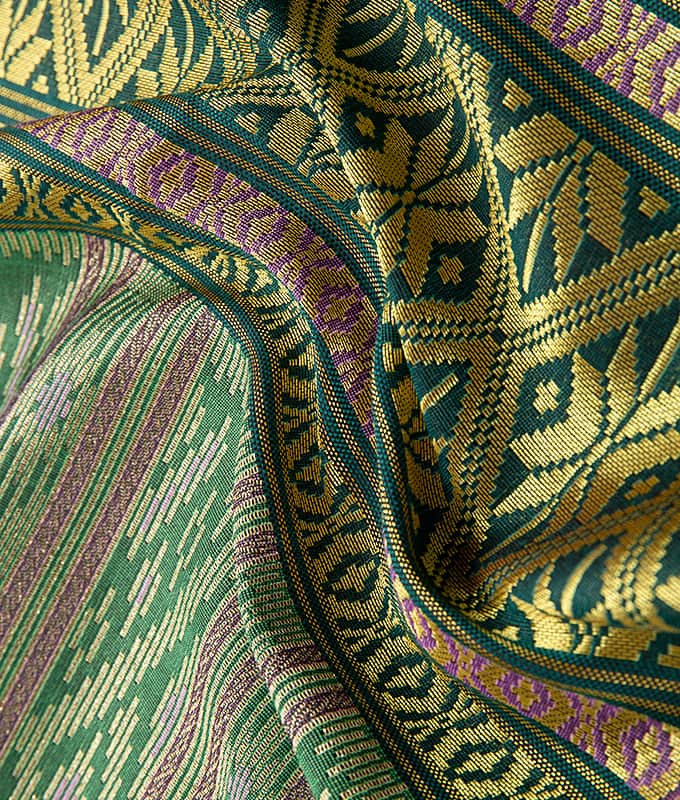
Det vertikale stribede guldtrådspolybomuldsstof til Sarong blander holdbarhed og komfort med et strejf af elegance. Med vertikalt arrangerede gyldn...
See Details -
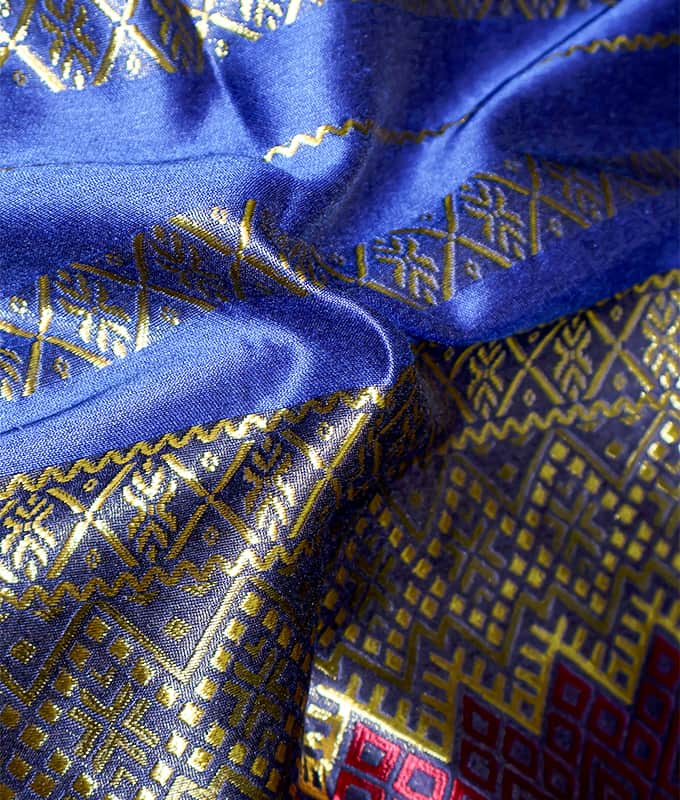
100 % polyester jacquardmønster Farverigt sydøstasiatisk Sarong-stof – holdbart, levende og let at pleje, designet til at bringe både skønhed og pr...
See Details -
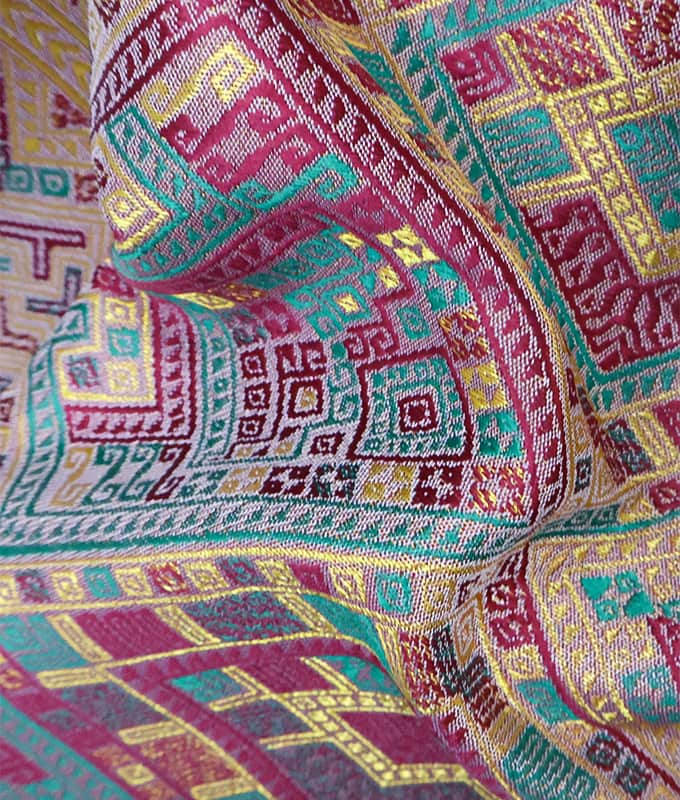
Silkelignende polyester jacquardstof til Thai Pha Sinh Sarong — der kombinerer elegancen af silkelignende tekstur med højpræcisions jacquardhåndv...
See Details

